The first time I read the words "180-day waiting period" on Japan's Animal Quarantine Service website, I genuinely thought it was a typo. Six months? Just — waiting? I had a moving date already circled on the calendar and a very confused black cat named KiKi who had no idea her life was about to depend on a government spreadsheet.
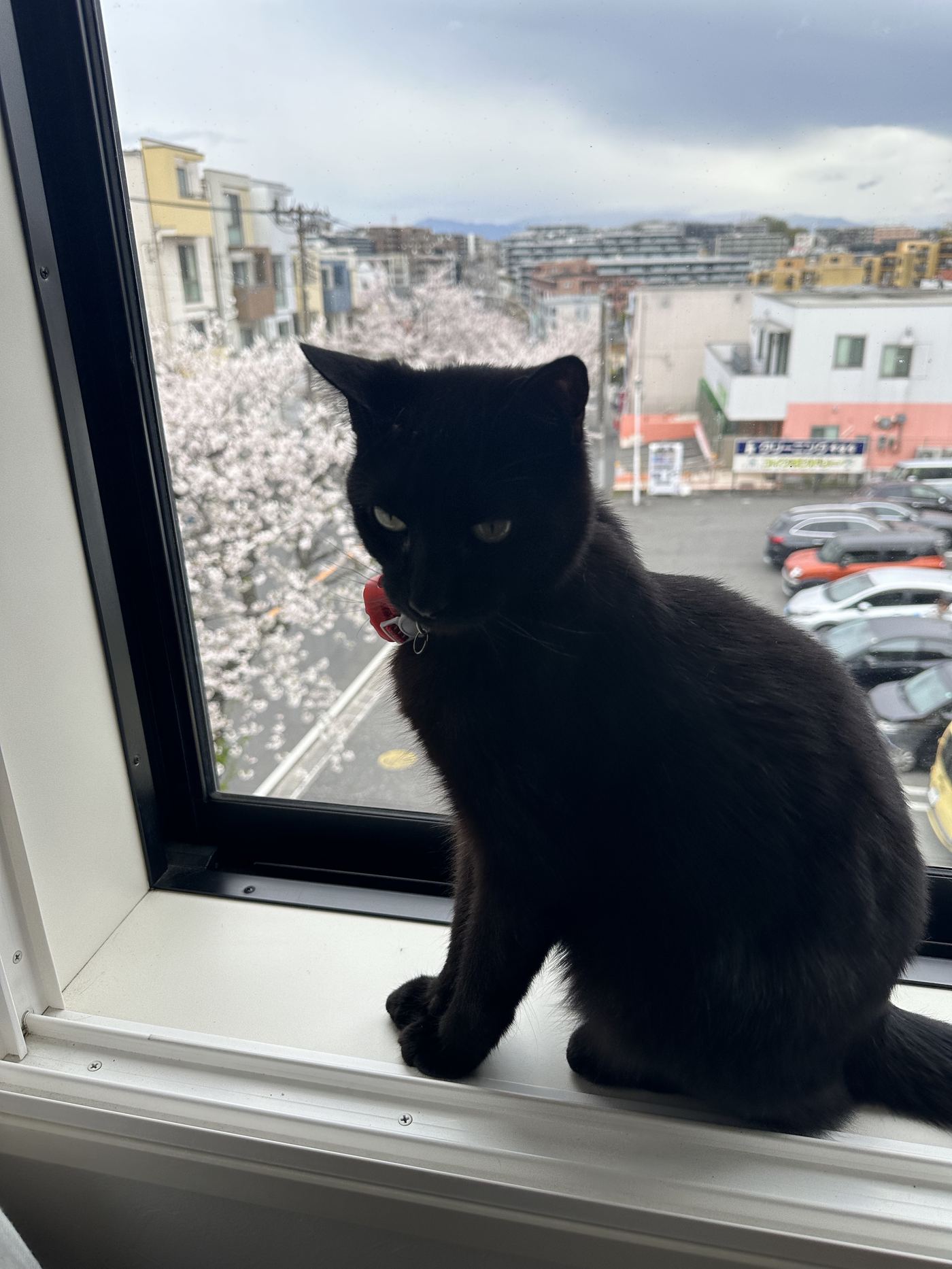
KiKi, watching cherry blossoms from our window in Japan
It wasn't a typo. And once I understood what the rule actually meant — not just that it existed, but how it works — I understood why so many people find out too late and end up with their pet stuck in an airport quarantine kennel for weeks, at their own expense. I don't want that to be you. So let me explain it properly, the way I wish someone had explained it to me.
Why Japan does this at all
Japan is rabies-free and has been for decades — one of a small handful of countries in the world that can say that, and the government has no interest in losing that status because someone's dog skipped a step. So instead of quarantining animals on arrival the way some countries do, Japan front-loads almost all of the waiting before your pet ever gets on a plane. By the time KiKi landed, her paperwork had already done the waiting. She didn't have to.
What the 180-day countdown actually measures
Here's the part that trips up almost everyone: the 180 days doesn't start when you decide to move, when you book your flight, or even when your pet gets vaccinated. It starts on one specific day — the day your vet draws blood for the rabies antibody test. That single date becomes the anchor for your entire timeline. Everything before it (microchipping, two rabies vaccinations spaced correctly apart) has to happen first, in the right order. Everything after it is just waiting.
In plain terms: if your pet's blood is drawn today, the earliest they can legally step off a plane in Japan is roughly six months from now — and only if every earlier step was done in the correct sequence. Get one piece out of order, and the clock doesn't pause. It can reset completely.
That's the part that actually scared me. Not the waiting itself — I could handle waiting. It was realizing how many ways there were to accidentally reset a clock I didn't fully understand, this far into a process I couldn't undo.
What happens if you get the timing wrong
If you arrive in Japan even one day before your pet's waiting period is technically complete, nobody waves you through with a warning. Your pet goes into quarantine at the airport facility — and depending on how far off the timing is, that can mean days, or in bad cases, the remainder of the full 180 days, in a kennel, at your expense, while you're on the other side of security wondering how this happened. I've read the accounts from people this happened to. It is not a hypothetical.
The mistake I see most often
People treat "180 days" like a checklist item — wait six months, done — instead of a specific date they need to calculate backward from, cross-checked against vaccination timing, their vet's availability, and their actual flight. It's less "wait six months" and more "solve a scheduling puzzle where getting one date wrong costs you your pet's freedom." That difference is, genuinely, what separates the people who clear customs in under 12 hours from the people who don't.
This is exactly why the guide exists
I put every date, every dependency, and every "don't do this before that" warning into one place — so you're not piecing it together from government PDFs at midnight the way I was. It covers the full timeline for both Canada and the USA, step by step.
The one step I still don't recommend doing alone
Even with a perfect timeline, there's one step near the end — the advance notification to Japan's quarantine authority — that has to be filed directly with your arrival airport's quarantine office, in Japanese, at least 40 days before you land. I live in Japan and speak the language natively, so for our own move, that part wasn't the stressful one. I know it is for almost everyone else.
Let me handle that part for you
This is genuinely the one step where being in Japan and speaking Japanese fluently makes a real difference. I'll file it directly with your arrival airport, confirm your specific timeline with the actual quarantine officer, and send you everything in writing — so you're not hoping a form got through correctly on the other side of the world.
KiKi has been home with us in Japan for about a year and a half now. This is really the whole reason PawsToJapan exists — not the paperwork itself, but what's waiting on the other side of it. Every client I take on is someone trying to get back to the same thing I was: their pet, their actual family, on the other side of a process that's designed to feel impossible. That's what I'm thinking about every time I file an advance notification for someone else's cat or dog.
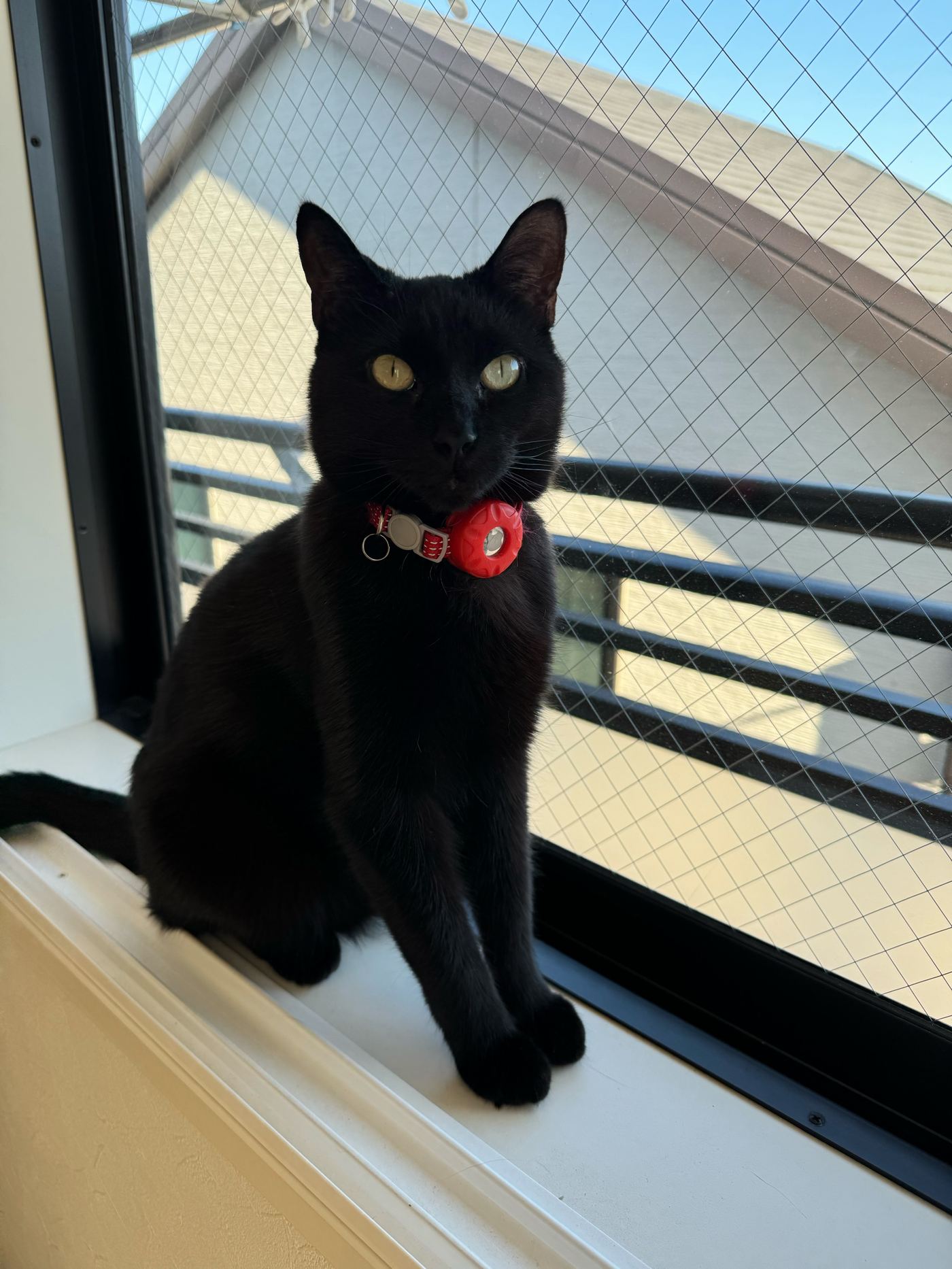
KiKi, home in Japan