Out of everything on Japan's pet import checklist, this is the one step I still get nervous just thinking about — even now, even having done it myself and having filed it for other people's pets since. Not because it's complicated on paper. Because it's the one step where a small miscommunication doesn't get caught until you're already standing at the airport with a carrier in your hands.
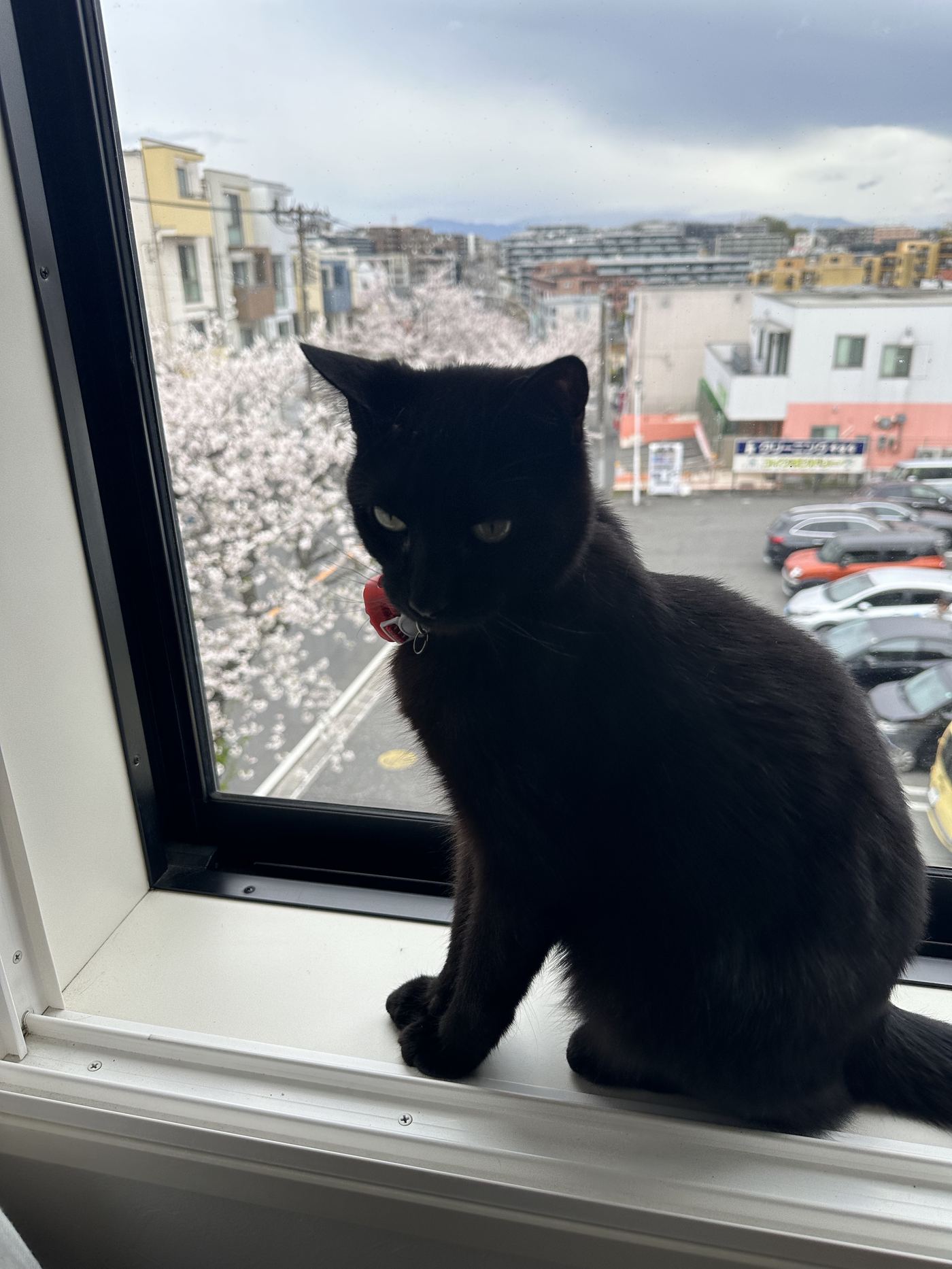
KiKi, the reason I take this step so seriously
If you've read my piece on the 180-day rule, you already know most of that process is about waiting the right amount of time, in the right order. This step is different. This one is about a conversation that has to actually happen — correctly, in Japanese, with a specific government office — before your pet is allowed to board.
What the Advance Notification actually is
Before your pet ever leaves for Japan, someone has to formally notify Japan's Animal Quarantine Service (AQS) that your pet is coming — which airport you're arriving at, when, and confirmation that your paperwork trail lines up with what their office has on file. This has to reach the AQS office with jurisdiction over your specific arrival airport, at least 40 days before you land. Not a general inbox. Not a general government department. The actual office responsible for the airport you're flying into.
Think of it less like submitting a form into a void, and more like making sure a specific person, at a specific desk, already knows you and your pet are coming — and has agreed that your timeline checks out — before you're anywhere near the airport.
Why the language part matters more than people expect
This isn't a case of translating an English form into Japanese and hoping for the best. The notification, and any back-and-forth that follows it, happens directly with the quarantine office, in Japanese. Dates get referenced differently. Document names don't translate cleanly. A detail that seems minor to you might be the exact detail an officer needs clarified before they'll confirm your case is valid — and if that clarification doesn't happen cleanly, you often don't find out until arrival, when it's far too late to fix.
The part that surprises people most: miss the 40-day window, and it doesn't matter how perfect the rest of your paperwork is. Your pet won't qualify for the standard process, and quarantine on arrival becomes the default outcome instead of the exception.
What can still go wrong even when you "do it right"
Even owners who file everything correctly often don't get a clear, confident confirmation back — just an acknowledgment that something was received. That gap, between "I submitted it" and "I know for certain my pet is cleared to travel on this date," is where most of the anxiety in this entire process actually lives. It's not usually the paperwork that keeps people up at night in the final weeks. It's not knowing whether it actually went through the way they think it did.
Start with the full timeline
The guide walks through every step leading up to this one — microchip, vaccinations, the blood test, the waiting period — so the Advance Notification isn't the first thing you're figuring out under pressure.
Why I handle this one myself
I live in Japan. I speak Japanese natively. When it was KiKi's turn, this was the one part of the whole process that genuinely didn't scare me — because I could just call the office directly, in Japanese, and ask. Everyone else doing this from Canada or the US is trying to manage that same conversation from a different time zone, in a second language, hoping a written notification lands the way they intended it to.
That gap is exactly what the AQS Service exists to close. I file the Advance Notification directly with your arrival airport's quarantine office, confirm your specific timeline with the actual officer handling your case — not just submit and hope — and send you a written summary of everything so you're not relying on a translated form and a guess. You get to spend the last stretch before your move actually preparing, instead of wondering whether a government office overseas understood what you meant.
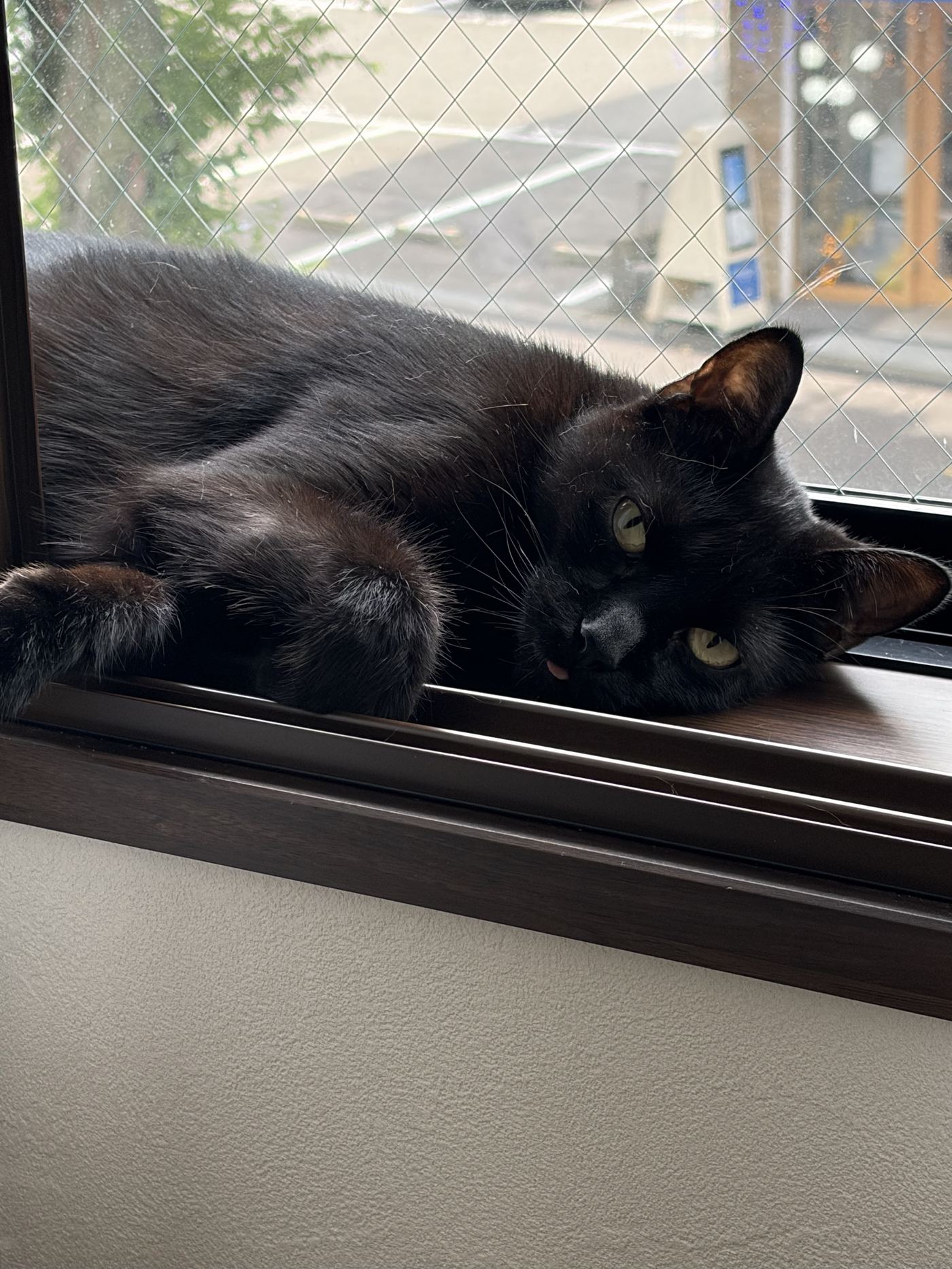
KiKi, thoroughly unbothered — the whole point of doing this right
Let me handle this step for you
This is genuinely the one part of the process where being in Japan and speaking the language fluently makes a real difference — not just a nice-to-have.